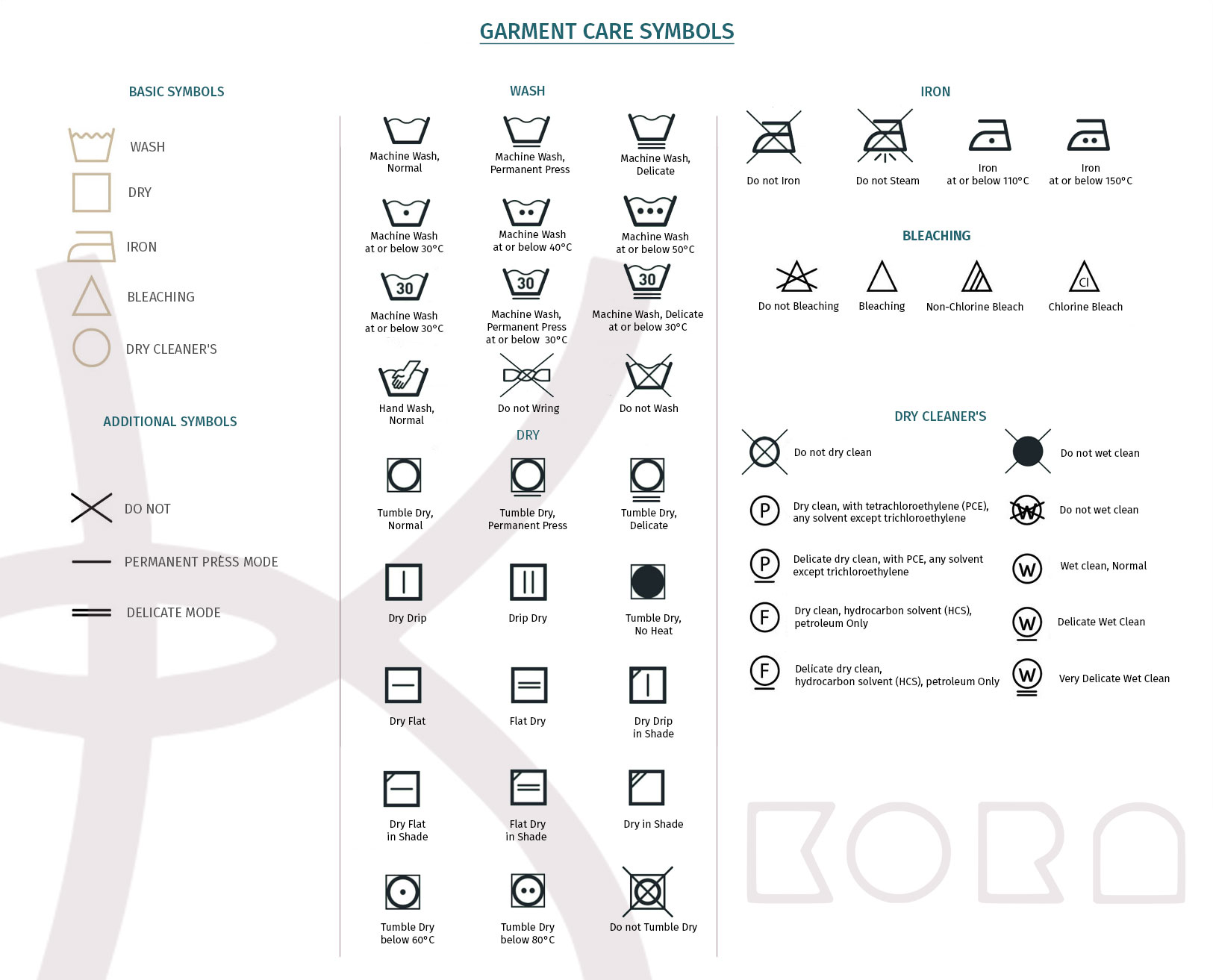
Rules for produсt сare
GENERAL RECOMMENDATIONS FOR THE CARE OF KNITWEAR
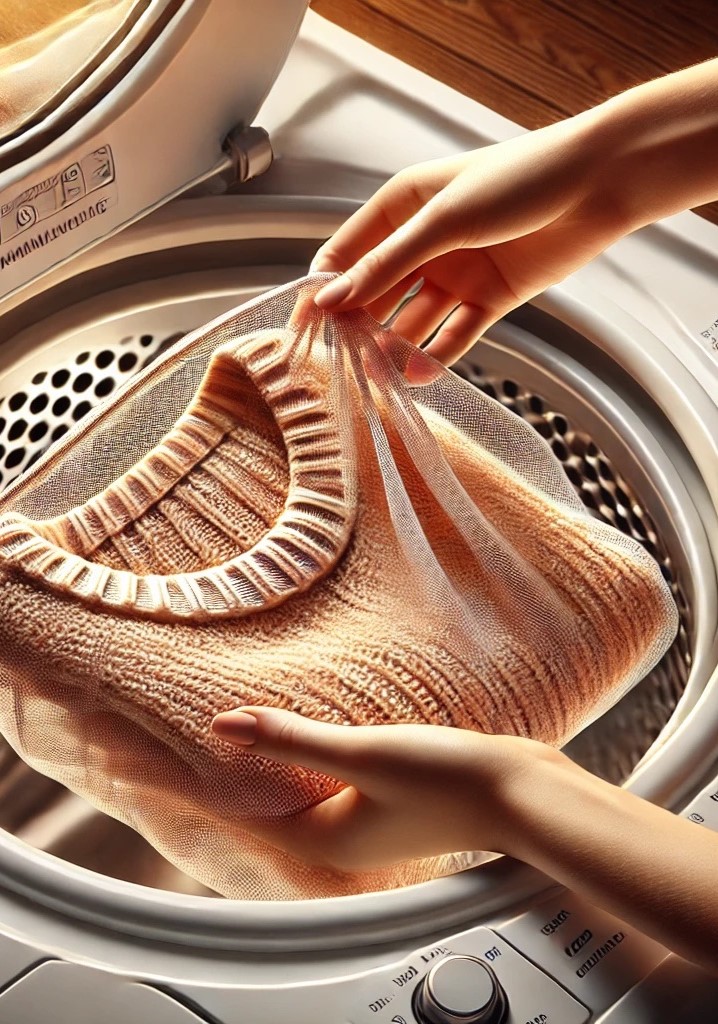
Washing
Turn the item inside out before washing.
Please refer to the care label for washing instructions. Do not rub knitted fabrics under any circumstances!
Do not use detergents containing bleach. It is better to use special detergents for washing knitwear. Modern phosphate-free powders, shampoos and conditioners for washing wool and silk gently treat the fibers, enveloping them in a thin protective layer. This makes things fluffier, less wrinkled and easier to iron.
Wash knitwear separately from other items so that wool fibers do not migrate to other clothes.
To avoid pilling and loss of elasticity of the knitwear, the water for soaking and washing should be at the same temperature (30°C or room temperature). Fabrics tend to shrink during temperature changes. The soaking time should be short (up to 30 minutes). Do not soak knitwear that contains yarns of several colors.
For items with wool in the compound, select the wool or hand wash mode when machine washing. The delicate cycle is suitable for products made of viscose, delicate synthetic fabrics and cotton. The recommended washing temperature is 30 °C and spin speed is no more than 800 rpm.
If machine spinning is not recommended for your product, gently wring out the garment by hand to ensure that it retains its original appearance and shape. Remove the remaining moisture by wrapping the knitted item in a terry towel.
Drying
Do not hang knitwear, but dry the product by spreading it out on a flat horizontal surface away from heat and sunlight, giving it the desired shape. This way, things will not stretch.
Ironing
Iron the garment only inside out with a warm iron, using steam and not stretching. Almost all of our products (except 100% cotton) are ironed at 110°C, which corresponds to one or two divisions on the temperature settings of most irons.
Storage
Wash the knitwear before putting it away for storage.
It is recommended to store the products in a dark, dry place in folded form in not too dense piles. It is not recommended to hang clothes on hangers, as they can deform and stretch at the shoulders. Be sure to place moth repellents in the storage area, such as lavender or a block of red cedar, which, by the way, has a pleasant forest smell.
Peeling
The formation of pilling (spools) on knitwear is inevitable. This happens due to mechanical friction of the fleecy structure of the knitted fabric during wear. The easiest way to deal with pilling is to remember the harm of friction from belts, hard internal elements of outerwear, and other mechanical stress. Peeling or spools can be removed with a disposable razor or a special pilling machine. Any knitwear does not like friction, so try to avoid frequent contact with bags and other accessories.
Damage.
Never cut the drawstrings. Use a crochet hook or a blunt needle to pull the thread into the inner side and, if necessary, secure with a few stitches of thread. To repair more complex damage (looping, holes, etc.), it is better to contact a specialist.
THE SUBTLETIES OF CARING FOR LINEN PRODUCTS
White and natural (not dyed) linen fabrics can be washed at 90 degrees, and after washing, you can also boil them. Colored products are washed at a temperature not exceeding 40 degrees. Linen products are washed in a gentle mode with a detergent intended for this type of fabric, without the addition of bleaching and chlorine-containing preparations. Aggressive products, such as chlorine, contribute to the rapid destruction of linen fibers.
Since linen fabric wrinkles easily, it is better to dry such fabrics in the open air in a straightened form – then the products will not have wrinkles and will also smell fresh. To make the linen less wrinkled, you need to remove it quickly, straighten and fold it immediately.
It is better to iron linen products while they are still slightly damp or use a damp gauze for better smoothing.
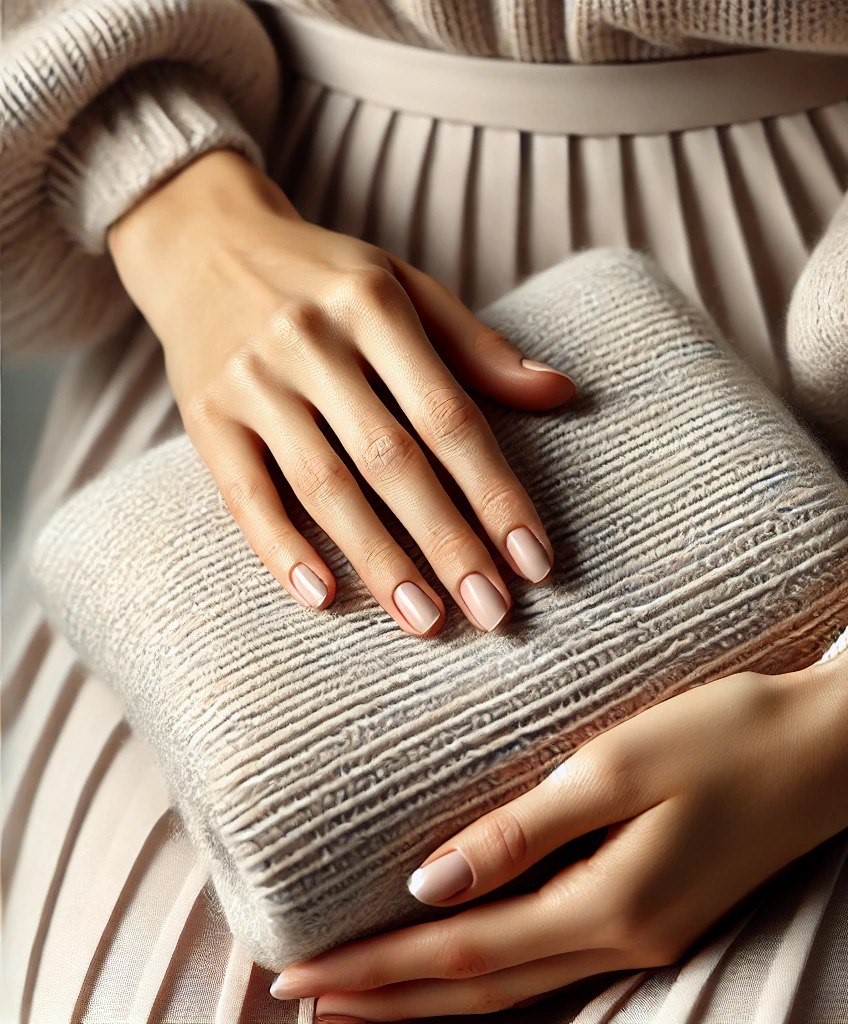
THE SUBTLETIES OF CARING FOR DELICATE FIBERS
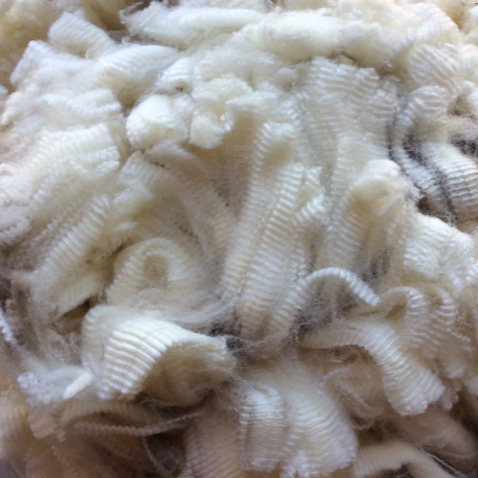
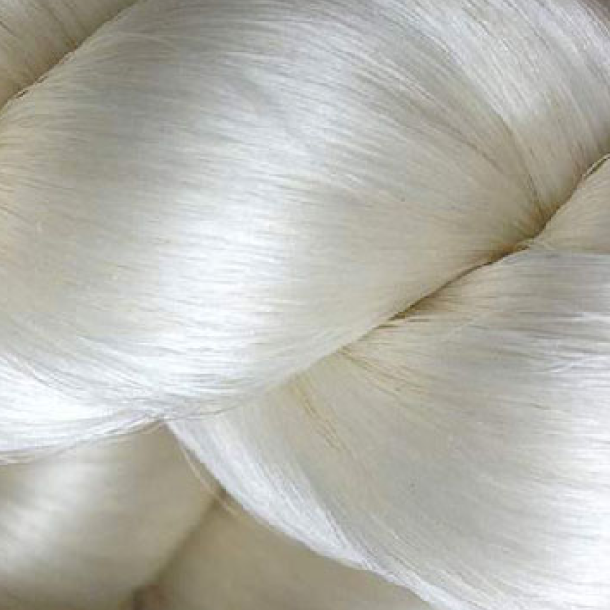
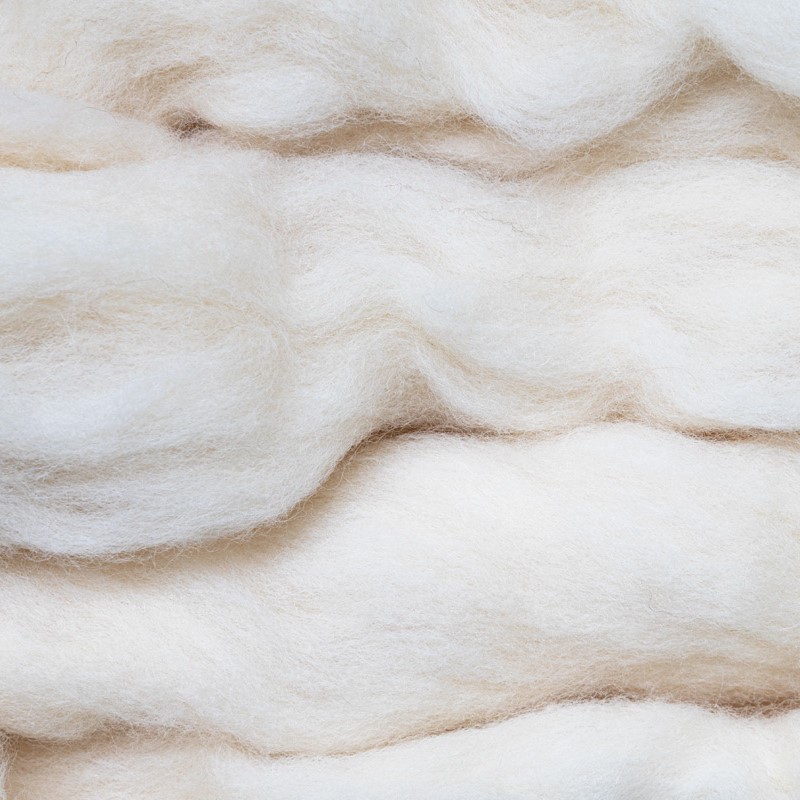
Clothes made of premium materials such as cashmere, merino, silk, and angora require increased attention from their owners. Below you will find general recommendations for caring for delicate items, which will help to preserve their original appearance for longer.
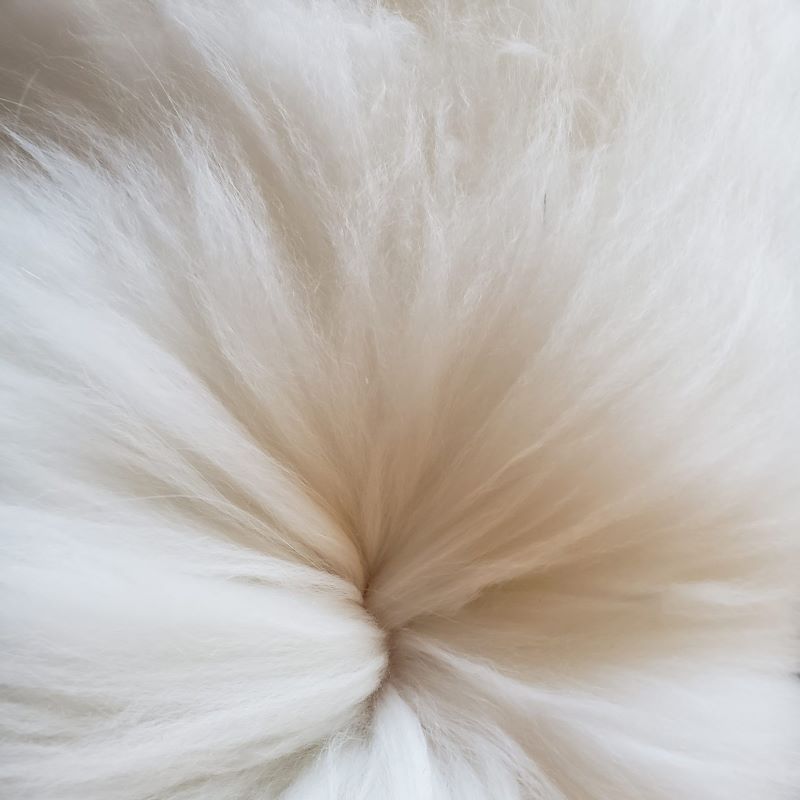
Washing
Hand wash at a water temperature not exceeding 40°C to avoid shrinkage of knitted products. It is recommended to use only special liquid detergents and shampoos for cashmere, wool and silk of transparent color. Before washing, thoroughly dissolve the detergent in water and turn the item inside out. Without soaking, rinse the item in water with gentle squeezing and unclenching movements.
Dry cleaning
It is recommended that you read the sewn-in care label. Your product may be recommended for dry cleaning only.
Drying
After rinsing, without unscrewing, it is recommended to squeeze the product slightly and place it on a cloth that absorbs moisture well, such as a towel. Then, the item and the fabric should be rolled up very gently to get rid of excess water and spread out on a flat, horizontal surface in a straightened form and leave to dry completely.
Ironing
Turn the product inside out, use the delicate setting and a little steam. Ironing through a thin fabric that allows steam to pass through is allowed. It is best to use an iron with a steam generator function so that the platform does not touch the knitwear at all.